DISCO

An update from the day job:
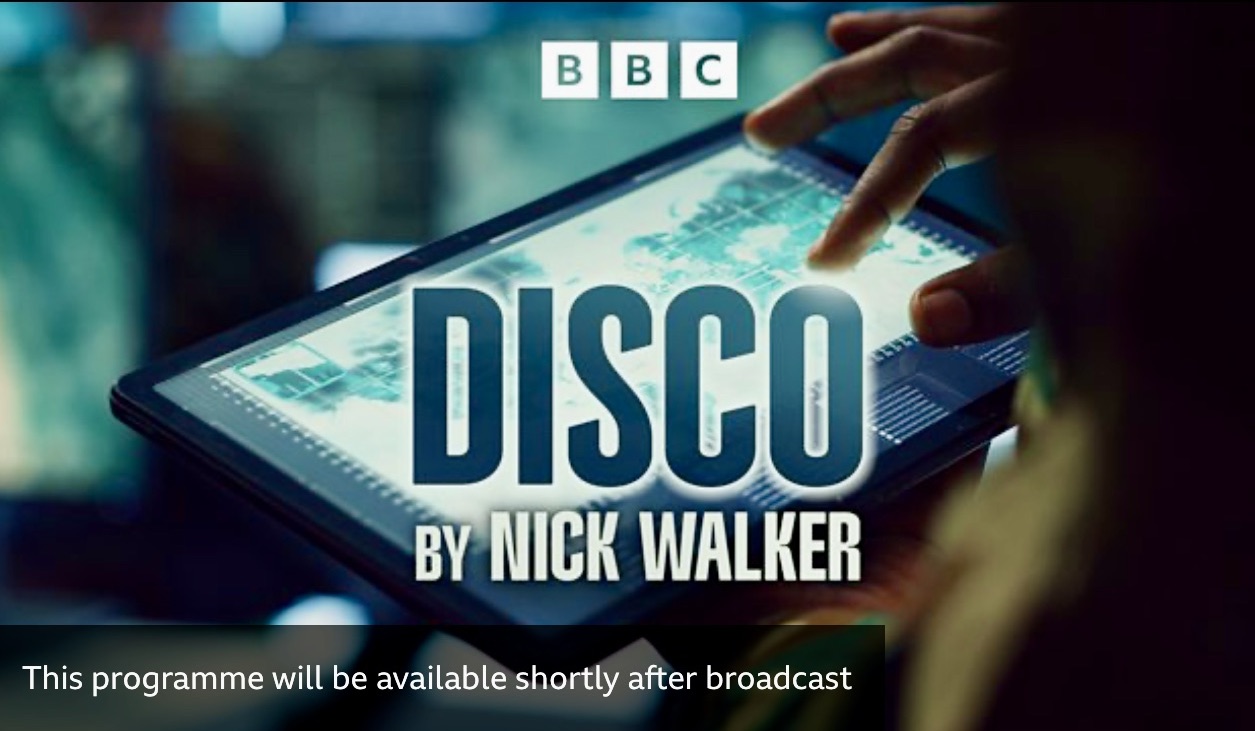
People don’t always notice Marnie Crawford, and when they do, they tend to underestimate her. She has a Masters in Social Sciences, and was so unobtrusive at university that “the tutor didn’t even know {she} was enrolled until [she} turned up to a viva.” From uni she went on to the police, where criminals duly failed to notice or underestimated her which – given her superior arrest record and solve rate – was extremely unwise.

With their own arrest record in steep decline, the Ministry of Defence has created a new unit within the Military Police. As an experiment they have chosen a civilian to lead it. Enter Marnie, with her expert knowledge of bias theory, a tendency to work out her thinking via voice notes, and an impressive collection of Sister Sledge recordings on vinyl.

DISCO (Radio 4, TX 2 -6 June 2025) takes a bias for each episode (Functional Fixedness; Anchoring Bias; Belief Perseverance; Hot Hand Fallacy and Hostile Intent Bias). Marnie’s knowledge often helps her, but sometimes it creates red herrings. And DISCO itself is something of a red herring. Granted, Marnie likes to escape from her own head into four-to-the-floor music, but the unit she has been asked to head up is called Defence: Serious Case Operations.

And of course, everyone refers to it as “DISCO”.

The series asks two questions. 1. Who killed Adam McTavish, tuba player in a military band? and 2. Who is Marnie sending her voice notes to?

Bryony Hannah is the voice throughout. And the writer is Nick Walker …

* * *

The sixth and last series of Annika Stranded was recorded in the early weeks of the first lockdown in 2020, with producer, sound engineer and coordinator tuning in remotely, and Nicola Walker performing from her newly-configured cupboard/home studio. Working with colleagues and ‘talent’ in three dimensions, in a real studio, is still much better, I think – and unquestionably more fun – but the remote MO has outlasted the pandemic to become an entirely reasonable way to make programmes. It is easy to forget how new and strange it was back then.

Annika has since moored her speedboat in Glasgow, in a reimagined Annikaverse for TV (Alibi/BBC). Her family dynamic is very different but – with Walkers Nick and Nicola still at its heart – the spirit of the original radio shows is never far away.

But this is not a post about Annika. Partly this is catch-up after six years of blog-silence, but principally it’s to remind you what a fine writer Nick is.

In 2021, we collaborated with him on a series of stories called Making Amends. Essentially, this was a La Ronde of human frailty, starting with an alcoholic who tracks down someone to apologise to, only to find that the person they sought was not at home because they were, in turn, seeking to make amends to someone else. Again, we recorded all five readers – Hermione Norris, Stuart McQuarrie, Tracy Wiles, Rosie Cavallero and Tony Gardner – remotely or semi-remotely.

But also, I’d like to remind you of the prodigious talent of Bryony Hannah. We first worked together about twelve years ago. Since then, I’ve tried to work with her as often as is reasonably possible. She has an extraordinary ability to find a character, a life, a backstory in even the most pared-down script.

Last year, thinking about a new Radio 4 slot – described by Nick as “Book at Bedtime without the book” – we asked Nick and Bryony to get together from the very outset. The result is DISCO. I hope you enjoy listening to it as much as we enjoyed making it. If you want a sneak preview of what to expect, click here.

P.S. Sepsis Confidential: 2 will be available very soon.

Ultra Violet

My first thoughts are of a Sanisette, a time machine, or the Orgasmatron from Sleeper. The nurse slides the door open and I step in to familiarise myself. The cabin isn’t bigger on the inside. It is seven-sided, and each side has six floor-to-ceiling UV tubular light bulbs. She shuts me in to check that I don’t get the screaming hab-dabs in the small space. (I don’t.) There are a number of handrails at different heights I can choose from, but once treatment starts I will have to assume the same position every time. Dark googles and a black sock (to cover my genitals) will be compulsory. After the nurse talks some more I decide that wearing a visor will be a good idea, too.

When I step back into the room she examines the MED test (Minimal Erythema Dose) they performed on my back yesterday. From this, she can gauge how strong the UV light should be when I go into the cabin for real. Then we go through some paperwork. She asks me if I’m aware of the very small risk of a big side-effect (skin cancer). I say I probably saw it in all the notes I’ve been given but invite her to go through it again – at which point the student nurse who’s sitting in suppresses a giggle.

Today is the follow-up to the assessment I had the day before. Since my GP referral came to the top of the pile I’ve seen a consultant, had blood tests and been photographed near-naked from a number of angles while striking Vitruvian Man poses. And I’ve seen the photos. It’s disturbing enough to see my less-than-lovely body and my condition, psoriasis, so starkly captured. But long ago, I worked in academic publishing: I see myself transformed into a series of illustrations for a medical textbook (Figure 1.1, 1.2 etc.) I imagine the head shots with my eyes blacked out.

We run through a few more do’s and don’ts after which the nurse declares me good-to-go for phototherapy. They’d like to start on Monday. I can’t, I say. I’ll be in studio recording the fourth series of Annika Stranded. So it will be the Monday after that: the first of three sessions per week, for ten weeks.

Why am I telling you this? My condition is neither life-threatening nor debilitating. Phototherapy sessions last for no more than a few minutes. But I’ve had psoriasis for about twenty-five years. In recent times it has spread, and I find it both more morale-sapping and damaging to self-esteem than I once did. I’m curious both to see if the treatment works at all and find out if my preoccupations change in the coming weeks. Perhaps I’ll develop a new relationship with my body beyond the ‘Oh, it’s you’ terms that have sufficed for so long. Perhaps I’ll think of nothing more pressing than whether Pickford or Butland should keep goal for England. Or maybe I’ll find something of interest to others who, like me, have the recurring – if irrational – fear of waking up one morning to find themselves transformed into Michael Gambon in The Singing Detective.

To be continued.

*

Postscript: In between times I hope to resume Geezer-posting about more familiar subjects, too. In the meantime, here’s a nod to those talented people I might have celebrated during the silent months:

Daniela Denby-Ashe; Cameron Raynes; Richard Brennan; Matt Haig; Tom Hollander; Alison MacLeod; Indira Varma; Alex Preston; Joe Sims; Julie Mayhew; Bryony Hannah; Hannah Silva; Hattie Morahan; Sophie Hannah; Monica Dolan; Louise Erdrich and Cherrelle Skeete.

Particular apologies to A.M. Bakalar and Agnieszka Dale whose books – Children Of Our Age and Fox Season respectively – I would have blogged about but for time pressure and maybe a loss of nerve.


Angela Readman Kills The Witch …

… Or does she?

“Hansel still swears it was the sweetest cottage he ever saw, and the peeling paint on the door looked like frosty angelica. I’m not so sure.”

Script and red radio. [Photo by Angela Readman]
These words are spoken by Gretel, and come from Angela Readman’s forthcoming radio story, The Night We Killed The WitchUnlike many re-workings of fairy tales, this relies on neither a shift to the present nor to a fantasy future. (Thankfully, Hansel And Gretel: Witchhunters this ain’t.) Instead the setting is timeless and the language connects entirely naturally with the living earth: it reaches out, albeit from a distance, to the spirit of the Brothers Grimm version, or even the medieval tale – developed out of the Great Famine – that some believe was their original source. Equally, you can find modern resonances in tales of refugees, and the story is shot through with a contemporary emotional intelligence.

I’ll give you a small spoiler: Hansel and Gretel’s parents – usually depicted as a weak father and evil stepmother – more closely resemble the rest of us, except that they are caught between a large granite boulder and well-hard hard place. To find out the rest, please listen.

Angela Readman first blinked on our radar a while ago when she submitted a story for our Time Being new writing showcase. She was earmarked for broadcast, only for the series to be decommissioned. But a reading of the title story from her recent collection Don’t Try This At Home – in which a woman subdivides her boyfriend like a worm under a sharp spade – was enough to be reminded that her radio debut was long overdue.

Photo by Wolf Marloh. [By permission of Bryony Hannah]
The Night We Killed The Witch is read by Bryony Hannah. As I’ve said before – Bryony is already a byword for reading excellence, as her previous work with us more than demonstrates (Closer by C.D.Rose; The Last Train by Jo Baker; No-one Belongs Here More Than You by Miranda July and We Have Always Lived In The Castle by Shirley Jackson). Here, she not only grasps Angela’s emotional intelligence but adds another layer of her own.

At a time when more (not less) is more; when the world seems to be dominated by those who shout or those who respond to the shouting, it has never been more important to defend small things like the short story and to keep our ears pricked for the softer sounds of quiet intelligence and heart. Whether with live radio or using iPlayer I hope you’ll ring-fence a quiet space to listen to this, and let two superior storytellers transport you.

The Night We Killed The Witch – specially-commissioned by Sweet Talk Productions for BBC Radio 4 – goes out on 3 March at 3.45 pm and is available thereafter on BBC iPlayer for 30 days.


Why I Don’t Blog Anymore …

img_4896… Or haven’t until now.

1. The Explicit F

This, from The History Man by Malcolm Bradbury. It’s the mid-70s. Howard Kirk, radical sociology lecturer, has been savaging the work of a hapless, young-fogeyish undergraduate called Carmody. Carmody has protested to Professor Marvin – head of department – and asked him to re-mark his essays:

“‘You mean you think Carmody’s essays are good?’ asks Howard. ‘No,’ says Professor Marvin, ‘they’re bad and problematic. The trouble is they’re evasive, they don’t meet the tests you’ve set the man. But they also have intelligence, shrewdness, and cultural insight. The problem is to assess the level of the badness of the failure.’ ‘I see no problem,’ says Howard, ‘they’re outright, failing bad.’ ‘I’ve read each one three times, Howard,’ says Marvin. ‘Now markers frequently disagree, and have learned ways of resolving their disagreements. My impression is simply that you’re not using our elegant marking scale, with its plusses and minusses and query plus minusses, with quite the delicacy you might. So I found, reading them, that I often had here the sense of a C, there an intimation even of lower B, where you go for the full punitive weight of the outright and explicit F.'”

Every year, we see a form of this in the early weeks of Strictly, when weak but popular contestants outstay their welcome at the expense of better dancers. Darcey, Len and Bruno may sense a four, possibly a nuanced five. Craig will go for ‘the full punitive weight of the outright and explicit’ two. (To be fair, he has his reasons.) It’s a running gag of the show, and mentioning The History Man every time it happens is a tired running Dad-gag in our household.

Strictly is entertainment, nothing more. But is seems we are ever more ready to reach for our well-thumbed two or scrawl a big red F whenever we engage with the world at large, and in our communications with each other.

This has been a very strange year, with so much to drive us to cart our furniture and granny’s piano to the end of the street to reinforce the barricade. If we climb over the top and explore the neighbouring streets we find much the same thing. Each of these barricades presents us with a simple choice: to man it, or storm it. Not only is this unsurprising, quite often this simple ‘pass or fail’ approach has been the only rational course open to us. So much right now is ‘outright, failing bad,’ and it’s right to call it. Trouble is, the same combative mindset can contaminate all aspects of our thinking. Everything becomes a battleground. We hector and are hectored in our turn and to hell with nuance. Before we know it, we’re demanding on Facebook that anyone who doesn’t agree 100% with our views on Jeremy Corbyn or Bob Dylan or putting the milk in first should unfriend us immediately. These days, when e-texting by whatever means so often replaces talking to someone we can see and hear, nuance is in short supply. We fear it in others, suspicious that it maybe sophistry in disguise. And we fear it in ourselves, reluctant to expose ourselves to charges of ‘deviation’ or worse. But the moment we lose nuance is the moment we lose understanding. And when we lose the will to understand, we stop listening.

What has this to do with not blogging? There have been private pressures, too, but lately I’ve found it difficult to free myself from the real or imagined barricades to dwell on the simple pleasures of radio or long-lost albums by Ralph McTell. I’ve been busy feeling hectored or hectoring in my turn, awarding punitive Fs left, right and centre on social media. And the F doesn’t only stand for fail. In short, I’m as f***ed off as everyone else and I haven’t trusted myself not to carry the feeling into this space.

2. What’s The Point?

When so much around you seems to be ‘outright, failing bad’ why would you waste time writing about smaller things? It’s completely unimportant whether you blog or not, especially when your posts are a) unremarkable and b) read by few. Why add your tuning-fork hum to the background, when others can back themselves with symphony orchestras or Marshall amps?

It’s hard to argue against this.

And in my case, ‘What’s the point?’ is also one of the great ‘Hey Jude’ choruses of depressive illness.

3. ‘Sleeve Notes’

It’s nearly a year since I wrote anything about radio. And like picking up the phone to someone you’ve lost touch with, it gets harder the longer you leave it. Guilt builds up, too. The feeling that to break the silence would be unfair on all the people you didn’t speak about before. However …

As it’s still available on iPlayer, I’m going to encourage you to listen to Agnieszka Dale’s A Happy Nation, read by Daniela Denby-Ashe. And not just because it’s a good radio story.

And in a spirit of redress, here’s a list – alphabetical and not distinguishing between writers, actors and radio professionals – of the talented people I’ve been lucky enough to work with directly, or with whose work I’ve engaged, during ‘the silence’:

Matthew Abbott, Alaa Al-Aswany, Lorraine Ashbourne, Jon Calver, Morven Crumlish, Lucy Durneen, Amir El-Masry, Peter Firth, Polly Frame, Bryony Hannah, Sophie Hannah, Tania Hershman, M.J. Hyland, Shirley Jackson, Rob Jarvis, Sohm Kapila, Martina Laird, Melissa Lee-Houghton, Toby Litt, Alison Macleod, Adnan Mahmutovic, Sinead Matthews, Tim McInnerny, Nafisa Muhtadi, Peter Nicholls, Emerald O’Hanrahan, Ben Pedroche, Claire Powell, Raad Rawi, Farshid Rokey, Karen Rose, Daniel Ryan, Julian Simpson, Holly Slater, The Soundhouse, Anita Sullivan, Thom Tuck, Sarah Tombling, Hannah Vincent and Nicola Walker.

img_4894This is an attempt to clean the slate. It still doesn’t matter at all if I don’t blog. Equally, ‘t’aint nobody’s business if I do.’

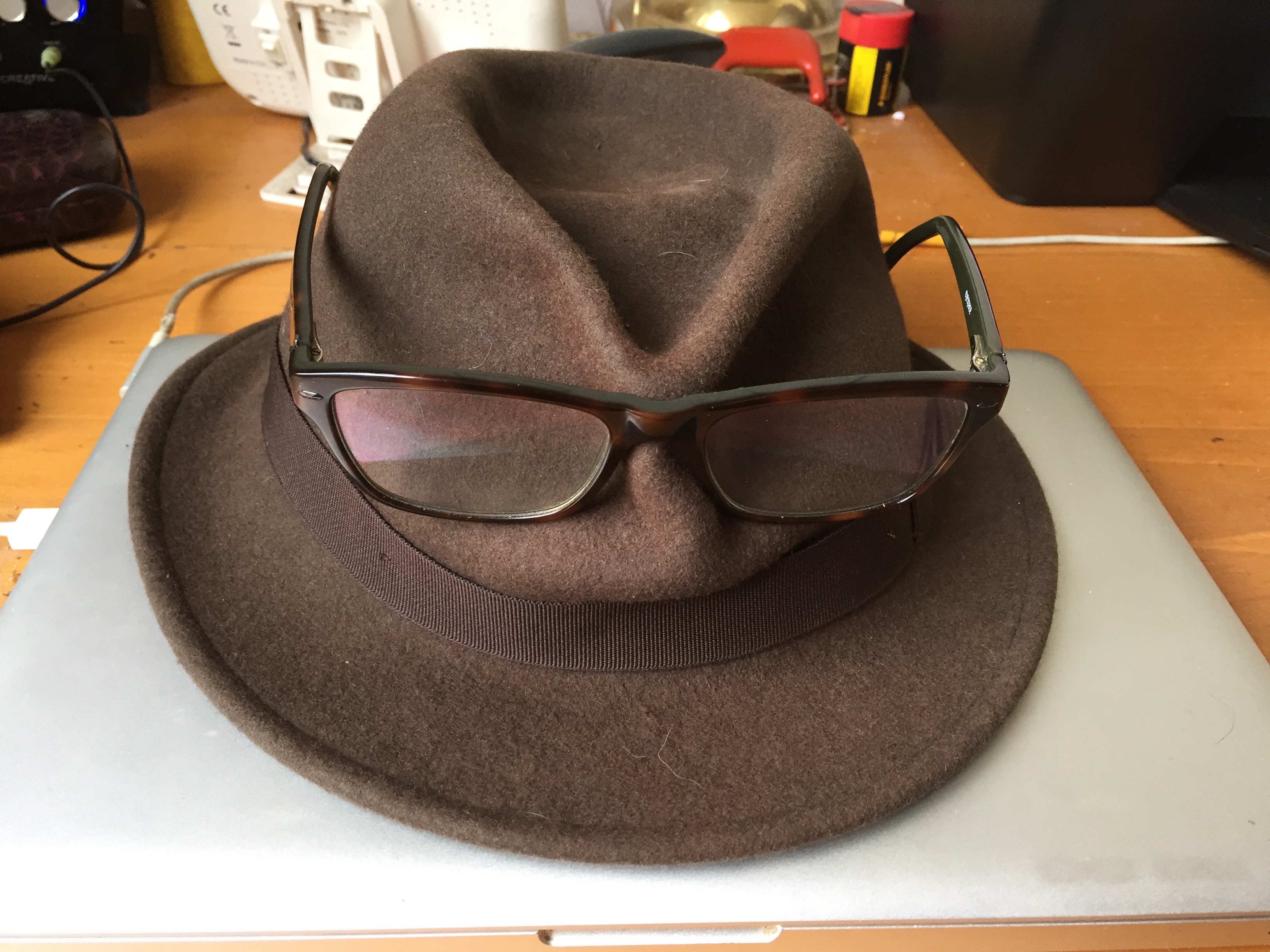
And maybe it’s time to get an additional hat …


Goodnight, Vienna

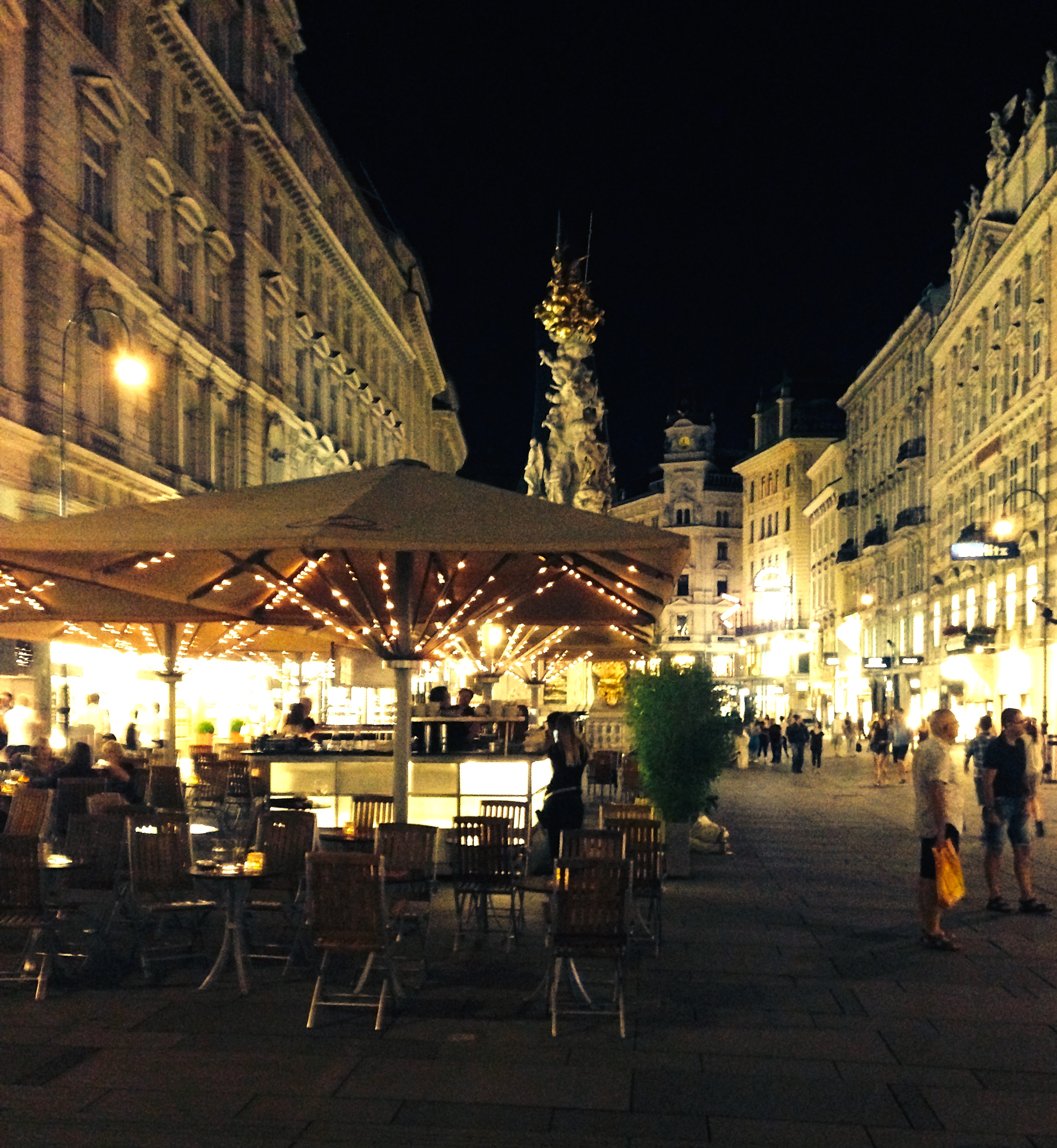
IMG_2447For most of us, Vienna is less of a place and more of a state of mind. It doesn’t offer up its secrets on a first or second date. Denied intimacy, we outsiders can only imagine. And our three writers in Goodnight, Vienna have fertile imaginations.

Leah, the little girl at the heart of Jo Baker‘s story, The Last Train, must say goodnight to Vienna literally, as her mother drags her through the streets to make the last Kindertransport out of the city. Some of you may have read Jo’s most recent novel, Longbourn, but if you haven’t, I recommend that you do. (I tend to steer clear of Jane Austen ‘reworkings’ – but this is a fine, honest and subversive novel in its own right.)

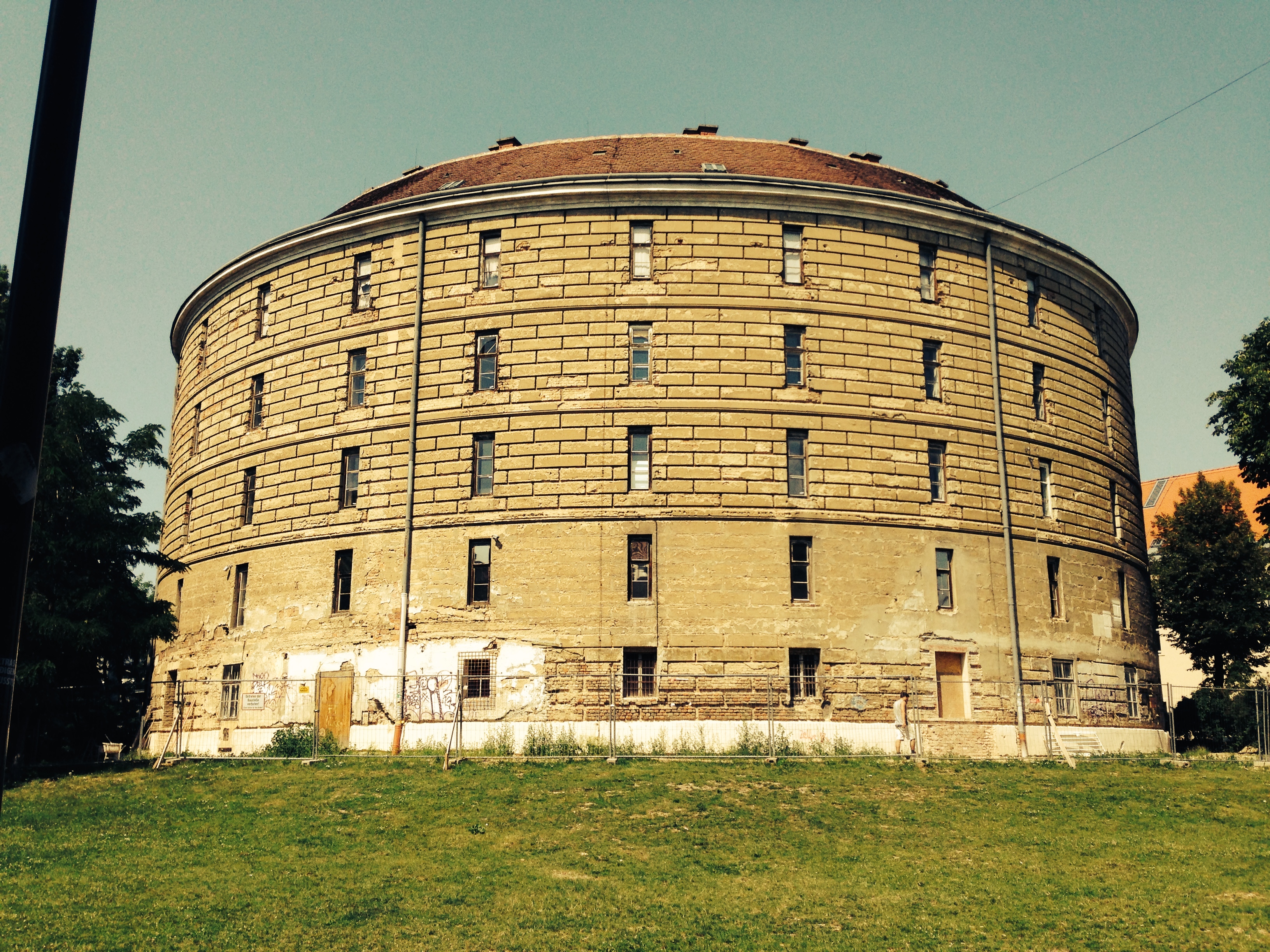
IMG_2402James Hopkin has spent so much time in Mitteleuropa over the years that he is – at the very least – on footsie-under-the-table terms with Vienna. In Jonke’s Schnitzel, the Narrenturm or ‘Tower Of Fools’, once a mental institution, has been reopened, its new inmates charged with learning grace. This is very much a radio piece: give yourself up to the rhythms of the piece, and the strange chanting of the names of Vienna’s 23 districts. As luck would have it, James’s earlier A Georgian Trilogy is being repeated on Radio 4 Extra from Christmas Eve onwards.

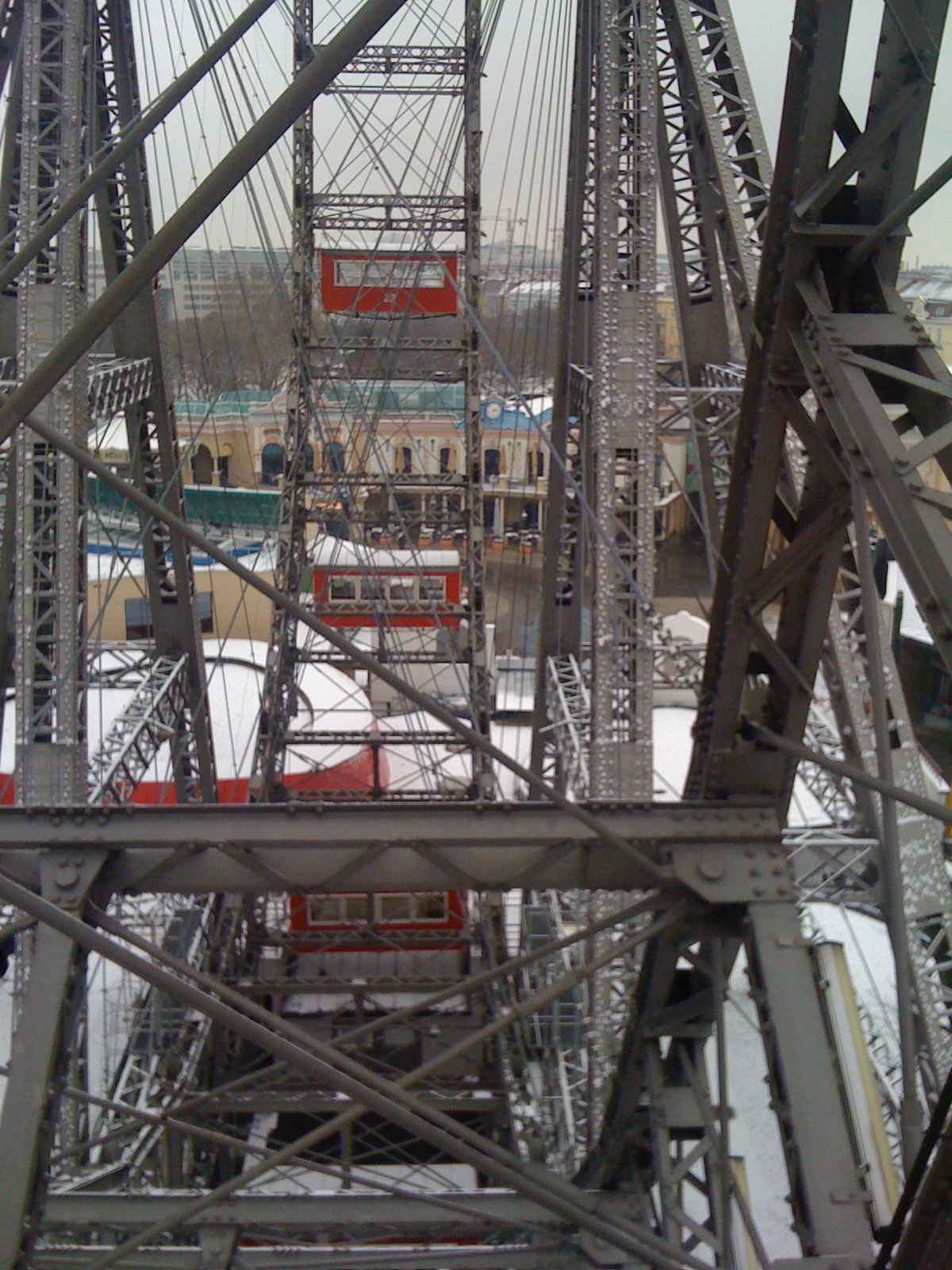
IMG_0395
photo by Lisa Osborne

Last year, Louise Stern transported us to contemporary Mexico in Latido, and her forthcoming novel Ismael And His Sisters will return there. But here, in A Bird In Vienna, she takes us back to the 1930s tapping into the spirit if not the detail of her own grandmother’s past. This is a pared-down tale of wonder and self-discovery, in which a young deaf girl goes awol in the city instead of going to school.

So, we have three fine writers with three fine readers to match. Bryony Hannah inhabits the emotions of both children and adults superbly and with so much invention in The Last Train. While having lost none of his comic timing over years, Tim McInnerny also brings an edge, bordering on menace, to Jonke’s Schnitzel. Eleanor Bron gives us an austere and beautiful reading of A Bird In Vienna.

We were spoiled for choice for possible music for the series. While we nicked the title, I didn’t buy into the version of Vienna in the Maschwitz and Posford song (performed here by Jack Buchanan.) Ultravox was off-limits, too, not least because the temptation to pace the house during post-production yelling ‘This means nothing to me!’ would have been too strong and would have prompted my family to take drastic action. Strauss? The Second Viennese School? In the end – at the risk of sounding like Maureen Lipman in Educating Rita – it had to be Mahler. We’ve used snatches from the first two symphonies, arranged for piano four hands by his associate, Bruno Walter.

Special thanks to Sylvia Petter for helping me with pronunciations, and to Bianca Jasmina Rauch and her team of chanters (Lukas von Abegdeuden, Daria Lukić and Fran J. Nikolić) for Jonke’s Schnitzel.

That’s all for now. Until 2015, maybe …

Goodnight, Vienna will be broadcast on Sundays 21, 28 December 2014 and 4 January 2015 on BBC Radio 4.

Again, for The Time Being …

The last series of The Time Being took us to London’s Bankside for booze and stalking, to rural Surrey where a woman gave birth to a llama, and to a dog track in Wales. The next two programmes, starting on Friday, are listed as a new series, but they really belong with the previous three radio debuts.

Closer

IMG_2078_2So where next? Rome, as it happens. Closer’, a stylish tale by C.D. Rose, is set in 1977, during the anni di piombo (‘Years Of Lead’). This is the time of terrorist groups such as Lotta Continua, Prima Linea and – probably best known – Brigate Rosse (Red Brigades), who would later kidnap and murder former prime minister Aldo Moro. What is an ordinary young woman doing waiting outside the home of a prominent lawyer? You’ll have to listen to find out. Bryony Hannah’s reading – a trans-European rail journey away from Call The Midwife is expertly judged, and gives away nothing until it needs to.

Spells For Love

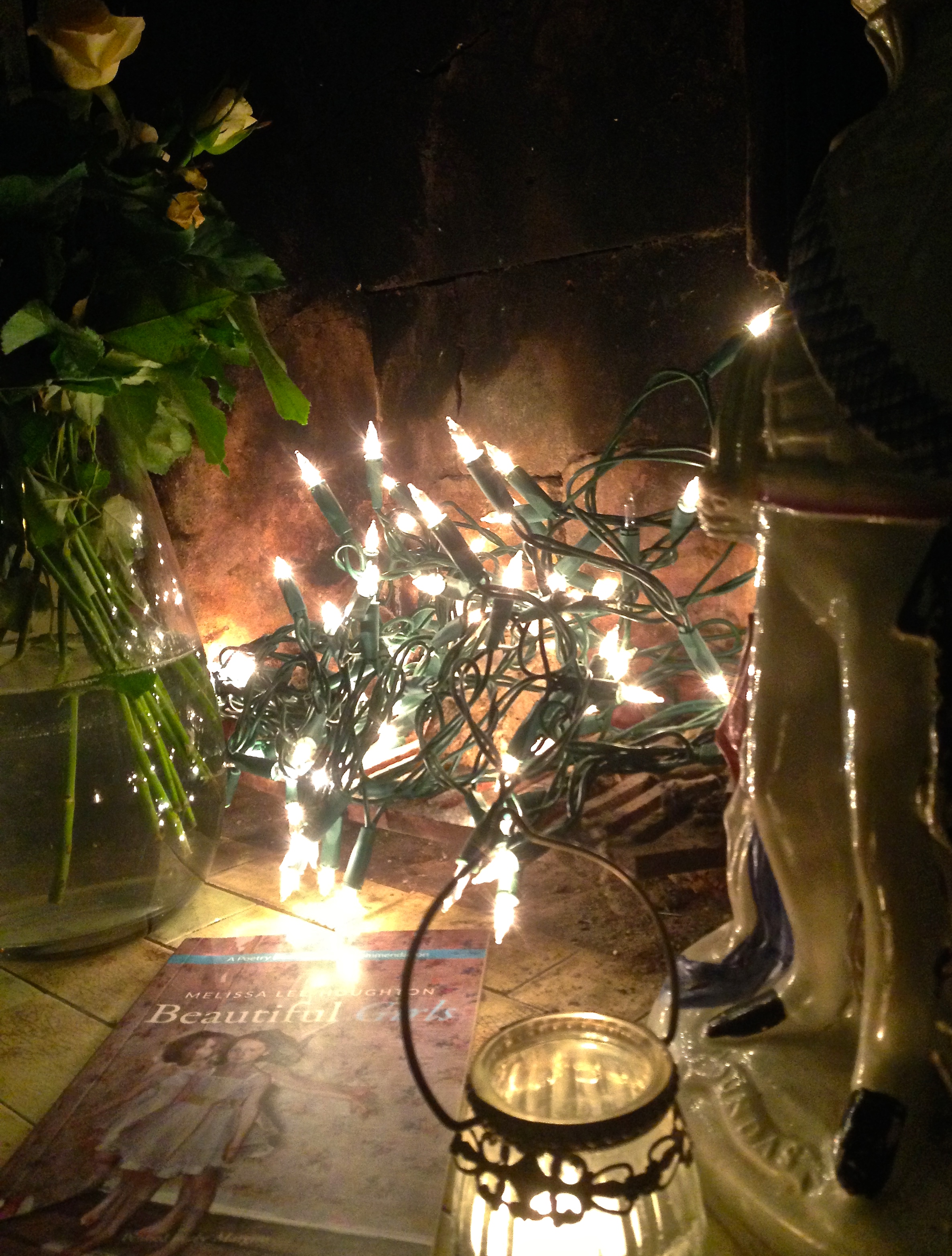
IMG_2081The second tale takes us to the north of England and goes out the following Friday (31 January). ‘Spells For Love’ is a mother and daughter story of love, loss and white magic by Melissa Lee-Houghton. (And more, but again, you’ll have to listen.) Some of you may – and more of you should – be familiar with Melissa’s poetry, and her recent collection, Beautiful Girlshas just been recommended by The Poetry Book Society. ‘Spells For Love’ is an unsettling tale in which love, like fire, needs to be handled with extreme care. Ruth Gemmell inhabits the story completely in her reading, and characterises both Sybil (mother) and Lucia (daughter) with great tenderness.

Coming Soon From Geezerinhat …

It’s a busy time, with programmes featuring the work of Alison Moore, Olga Grushin, Lynne Truss, Adam Marek and Alison MacLeod all hitting the airwaves in March. I hope to write about some or indeed all of them in due course. And at long last a more ‘authored’ geezer-piece exists, albeit in note form. Until then, thanks for reading, and happy listening.